
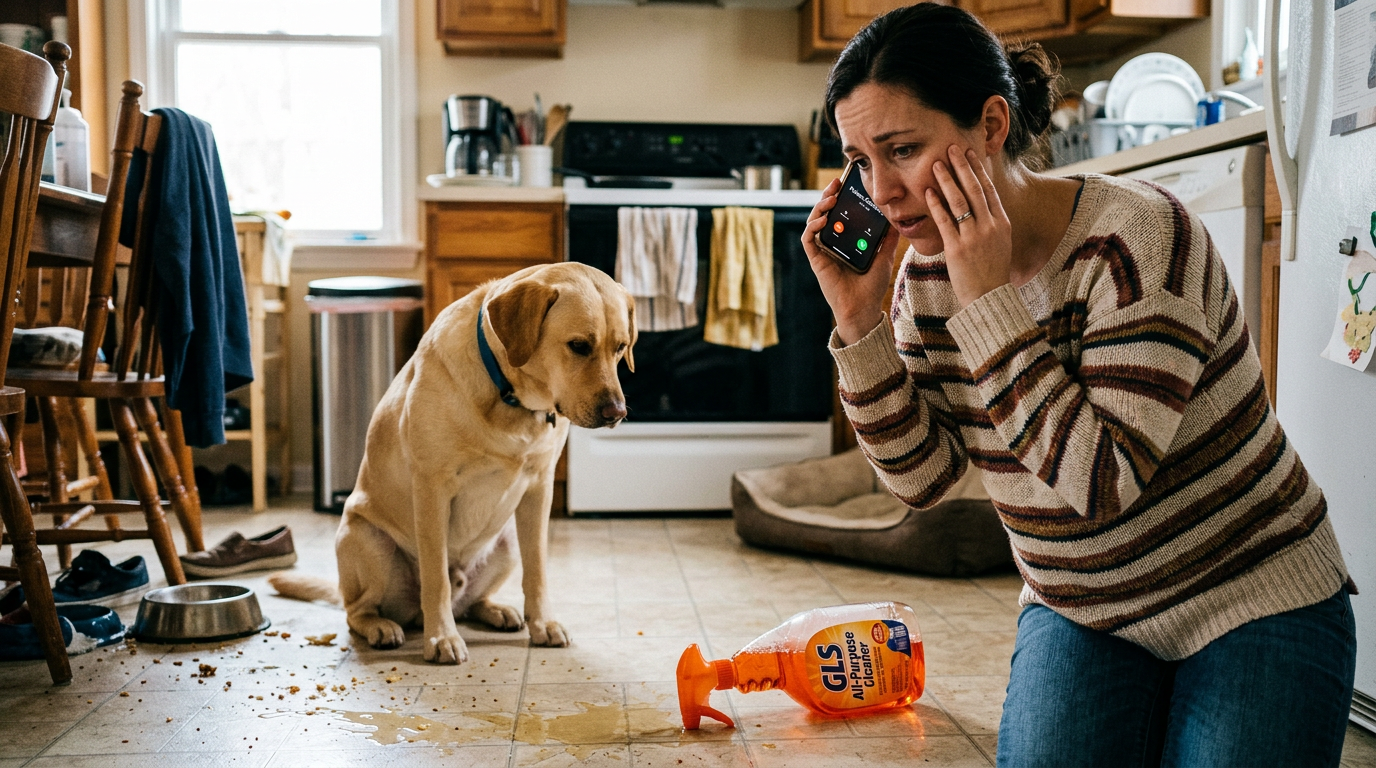
Dog Ate Something Toxic? Here's What to Do
By Jarrod Gravison • Updated April 28, 2026 • 7 min read
⚡ Quick Answer
If your dog eats something potentially toxic: call ASPCA Animal Poison Control (888-426-4435) or your emergency vet immediately — don’t induce vomiting unless specifically directed. Have the substance name, estimated amount, and your dog’s weight ready. Time is critical for toxin treatment — acting within 1–2 hours of ingestion dramatically improves outcomes.
Disclosure: This post contains affiliate links. We may earn a small commission at no extra cost to you.
Dog toxin ingestion is one of the most common pet emergencies. Here’s the step-by-step response that could save your dog’s life.
Key Takeaways
- Time is everything: Acting within 1–2 hours of ingestion dramatically improves your dog’s outcome — call Poison Control at 888-426-4435 the moment you suspect toxin exposure.
- Never induce vomiting without guidance: Vomiting can cause severe secondary damage with caustic substances (bleach, drain cleaner) or petroleum products — always verify with a vet first.
- Xylitol is the hidden killer: This sugar substitute hides in peanut butter, sugar-free gum, vitamins, and baked goods, and even small amounts can trigger fatal hypoglycemia in dogs.
- Symptoms can lag 12–24 hours: Many toxins — especially grapes, raisins, and rodenticide — show no immediate symptoms, making follow-up vet monitoring critical even if your dog seems fine.
Step 1: Stay Calm and Act Immediately
Panic wastes critical time. Your dog needs you calm and decisive. The first 30–60 minutes after ingestion often determine whether treatment is straightforward or complex.
According to the ASPCA, more than 400,000 cases of pet poisoning are reported in the United States each year — and the single biggest factor in survival is how quickly you respond. While it feels counterintuitive, taking 60 seconds to calmly assess the situation gives you better information to relay to Poison Control than a panicked, incomplete call.
Keep a dedicated “pet emergency” note in your phone with the ASPCA number (888-426-4435), your dog’s current weight, and your nearest 24-hour emergency vet address. In 2026, most emergency vet clinics also offer a text line — check your local clinic’s website in advance so you’re not scrambling.
Step 2: Identify the Toxin
What did your dog eat? How much? When? Find the packaging, plant, or substance. Take a photo if possible. This information determines the treatment approach.
The type of toxin determines the entire treatment protocol. Chocolate poisoning is treated differently from xylitol ingestion, which is treated differently from rodenticide. Photograph the packaging, plant, or substance before you leave the house — vets and Poison Control can look up exact formulations and determine the toxic dose for your dog’s body weight.
PetMD notes that estimating quantity is just as important as identifying the substance. “My dog ate some chocolate” is far less useful than “my 20 lb dog ate approximately 2 oz of dark baking chocolate.” When possible, check whether the package is still sealed, half-empty, or fully empty to estimate consumption.
Step 3: Call for Help
- ASPCA Animal Poison Control: 888-426-4435 (24/7, $95 consultation fee)
- Pet Poison Helpline: 855-764-7661 (24/7 alternative)
- Your emergency vet
Describe: what was ingested, estimated amount, time of ingestion, your dog’s weight, and any symptoms present.
Step 4: Do NOT Induce Vomiting Unless Directed
This is critical. Inducing vomiting is helpful for some toxins and harmful for others (caustic substances, petroleum products). Follow the specific guidance from Poison Control — never induce vomiting without their direction.
The ASPCA explicitly warns that inducing vomiting after ingestion of caustic substances (bleach, drain cleaner, batteries) or hydrocarbons (gasoline, paint thinner) can cause chemical burns to the esophagus on the way back up — turning a manageable poisoning into a life-threatening emergency. The same applies to sharp objects.
If Poison Control does direct you to induce vomiting, the standard method is 3% hydrogen peroxide (approximately 1 teaspoon per 10 lbs of body weight, max 3 tablespoons). Keep a bottle in your pet emergency kit, but use it only under direct professional guidance. Never use salt, mustard, or other home remedies — these can cause additional toxicity.
Common Household Toxins for Dogs
- Chocolate: All types; dark and baking chocolate most dangerous
- Xylitol: Sugar-free gum, candy, some peanut butters, certain medications
- Grapes and raisins: Can cause kidney failure even in small amounts
- Onions and garlic: Including cooked forms in food
- Ibuprofen/Acetaminophen: Common human medications that are toxic to dogs
- Rodent poison (rodenticide): Highly dangerous; contact vet immediately
- Certain plants: Lilies, azalea, yew, sago palm
When to Go to the ER Immediately Without Calling First
- The dog is already showing symptoms (vomiting, seizures, collapse, difficulty breathing)
- You know a highly toxic substance was ingested (sago palm, rodenticide, large chocolate dose)
- You cannot reach Poison Control
See our emergency vet guide, pet emergency kit guide, and apartment pet safety guide. The ASPCA Animal Poison Control Center is the most comprehensive toxin database available.
🛒 Related Picks on Amazon
📬 Free Weekly Apartment Pet Tips
Practical guides for apartment pet owners, delivered weekly.
What to Expect at the Emergency Vet
When you arrive at the emergency vet, you’ll be asked to describe the toxin (name, concentration, estimated amount), the time of ingestion, and your dog’s current symptoms. Bring the packaging whenever possible — vets use the exact formulation to calculate the toxic dose per kilogram of body weight, which determines the urgency and treatment approach. A 30 lb dog eating one square of 70% dark chocolate has a very different prognosis than the same dog eating an entire bar.
Treatment for toxin ingestion may include induced emesis (if the ingestion is recent and the toxin type permits), activated charcoal (to bind remaining toxins in the digestive tract), IV fluids (to support kidney function and hydration), and symptomatic treatment for specific effects. For rodenticide, treatment may continue for days or weeks due to the delayed clotting mechanism of many common formulations. Ask your vet for a written treatment plan and follow-up schedule before you leave.
Cost is a real concern — emergency vet visits for toxin ingestion typically run $300–$2,500 depending on the substance and required treatment intensity. Pet insurance with accident coverage handles toxin ingestion events, and even a basic plan pays for itself after a single emergency. If cost is a barrier, be upfront with the vet — most clinics have payment plan options and can help you prioritize the most critical interventions.
Building Your Pet Emergency Kit
The best time to prepare for a pet emergency is before it happens. Keep the following items in a clearly labeled container that everyone in your household can find:
- ASPCA Poison Control number saved in your phone: 888-426-4435
- Your nearest 24-hour emergency vet address and phone number
- 3% hydrogen peroxide (for induced vomiting only if directed): Check expiry every 6 months
- Saline eye wash (for flushing eyes after chemical exposure)
- Clean towels (for wrapping and transport)
- Your dog’s current weight and vaccination records (a photo in your phone works)
- Your dog’s medications and dosages
According to the ASPCA, having this information immediately available reduces the time between an incident and effective treatment — and in toxin emergencies, every minute genuinely counts. Review and update your kit once a year, typically around your dog’s annual vet visit when their current weight is confirmed. In 2026, several pet emergency app platforms allow you to store your dog’s full medical history in a format vets can access instantly.
Prevention: Reducing Toxin Access in Your Apartment
Most toxin emergencies are preventable. A deliberate apartment audit takes under 30 minutes and eliminates the majority of ingestion risks. Work through each room:
Kitchen: Move all cleaning products to high or locked cabinets. Check every peanut butter, sugar-free product, and baked good for xylitol. Use a dog-proof trash can with a locking lid. Grapes, raisins, onions, garlic, macadamia nuts, and avocado should be stored where your dog cannot reach them.
Bathroom: Keep medications in a cabinet — pill bottles are not chew-proof and many common medications (ibuprofen, acetaminophen, antidepressants) are acutely toxic to dogs at small doses. The ASPCA reports that human medications are consistently among the top categories of pet poisoning calls each year.
Living areas: Check all houseplants against the ASPCA toxic plant database before bringing them inside. Common toxic plants include pothos, philodendrons, peace lilies, and sago palms. Electrical cords, batteries, and nicotine products (including vape cartridges) are high-risk chew targets.
One final prevention tip for 2026: several smart home devices now integrate with pet monitoring apps to send alerts when your dog accesses certain areas (trash cans, pantry doors). Motion-sensor alerts for high-risk zones give you advance warning before an ingestion happens rather than after. While technology can’t replace supervision, it adds a meaningful safety layer for busy apartment owners who can’t be present every moment.
Save the ASPCA Poison Control number (888-426-4435) in your phone contacts right now, before you close this article. In an emergency, you won’t have time to search for it.
Frequently Asked Questions
What should I do if my dog eats something toxic?
Call ASPCA Poison Control (888-426-4435) or your emergency vet immediately. Have the substance name, estimated amount, and your dog’s weight ready. Do NOT induce vomiting unless specifically directed.
How quickly do you need to act if your dog eats something toxic?
Within 1–2 hours of ingestion is ideal for most toxins. The sooner treatment begins, the better the outcome. Call immediately even if the dog shows no symptoms.
Should you induce vomiting if your dog eats something toxic?
Only if specifically instructed by Poison Control or your vet. Vomiting is helpful for some toxins and harmful for others (caustic substances, petroleum products). Never induce without professional guidance.
What are the most toxic foods for dogs?
Xylitol (sugar-free products), chocolate (especially dark), grapes and raisins, onions and garlic, macadamia nuts, and cooked bones are among the most dangerous.
What is the ASPCA Animal Poison Control number?
888-426-4435. Available 24/7. There is a $95 consultation fee. Save this number in your phone before you need it.
Can my dog recover from toxin ingestion at home?
Only for very mild, low-risk exposures — and only when Poison Control has confirmed it’s safe to monitor at home. Most genuine toxin ingestions require professional treatment. Do not attempt home management for xylitol, rodenticide, grapes, raisins, or anything where you’re unsure of the dose.
How do I dog-proof my apartment to prevent future incidents?
Use child-proof latches on lower cabinets, store cleaning products and medications out of reach, check all peanut butter and sugar-free products for xylitol, and keep the ASPCA toxic plant list handy when buying houseplants. In 2026, dog-proof trash cans with locking lids are widely available for under $30 and eliminate one of the most common sources of accidental ingestion.
Jarrod Gravison
Apartment pet specialist at Busy Pet Parent.